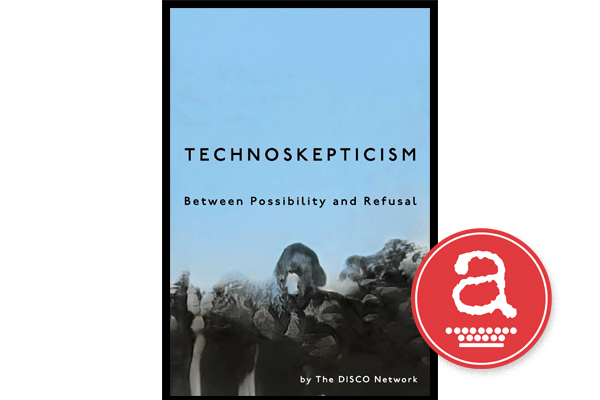
Author Meets Readers | Technoskepticism: Between Possibility and Refusal
Thursday, October 29, 2026 from 5:00 pm to 6:30 pm
- In-Person event
- Irene’s Pub Restaurant , Ottawa , ON , K1S 3W4
- Cost: Free
About the Book
From Munchausen by Tiktok to wellness apps to online communities to AI, the DISCO Network explores the possibilities that technoskepticism can create.
This is a book about possibility and refusal in relation to new technologies. Though refusal is an especially powerful mode—particularly for those who have historically not been given the option to say no—people of color and disabled people have long navigated the space between saying yes and saying no to the newest technologies. Technoskepticism relates some of these stories to reveal the possibilities skepticism can create.
The case for technoskepticism unfolds across three sections: the first focused on disability, the creative use of wellness apps, and the desire for diagnosis; the second on digital nostalgia and home for Black and Asian users who produced communities online before home pages gave way to profiles; and the third focused on the violence inherent in A.I.-generated Black bodies and the possibilities for Black style in the age of A.I. Acknowledging how the urge to refuse new technologies emerges from specific racialized histories, the authors also emphasize how care can look like an exuberant embrace of the new.
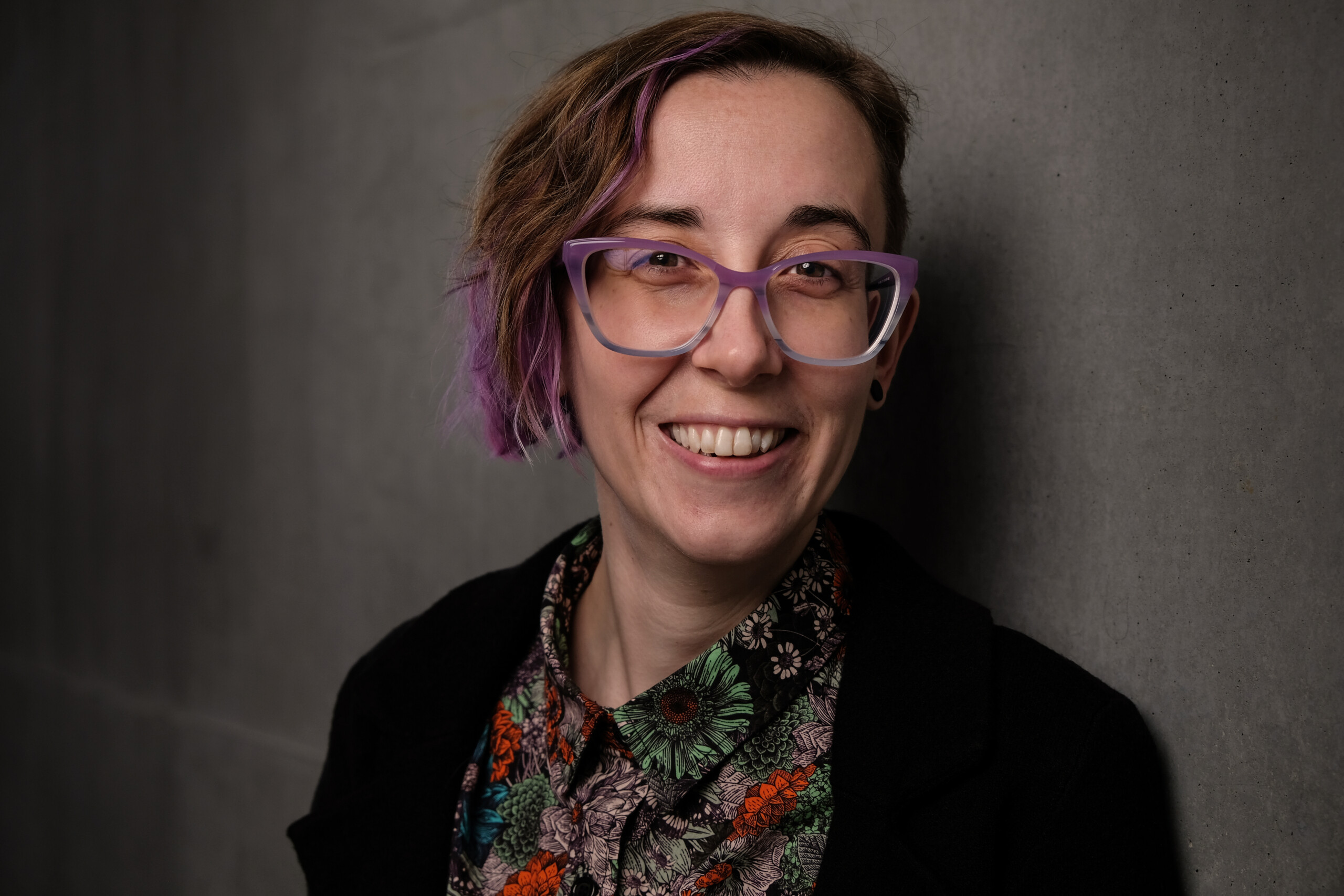
About the Author
M. Remi Yergeau (they/them/theirs) is a Canada Research Chair in Critical Disability Studies and Communication and associate professor of Communication and Media Studies at Carleton University. They currently run the Digital Accessible Futures Lab as a part of the DISCO Network. Yergeau’s scholarly interests traverse rhetoric and communication, critical disability studies, digital studies, and trans and queer rhetorics. Their book, Authoring Autism: On Rhetoric and Neurological Queerness (Duke UP, 2017), received three book awards. Along with 13 colleagues from DISCO, Yergeau is a co-author of Technoskepticism (Stanford UP, 2025). Most recently, they are a co-editor of Neurofutures: Neurodiversity in Crip Time along with Elizabeth Donaldson, Diana Paulin, and Ralph Savarese, which is forthcoming from NYU Press.